

Is IPRN Legal? IPRN vs IRSF Explained
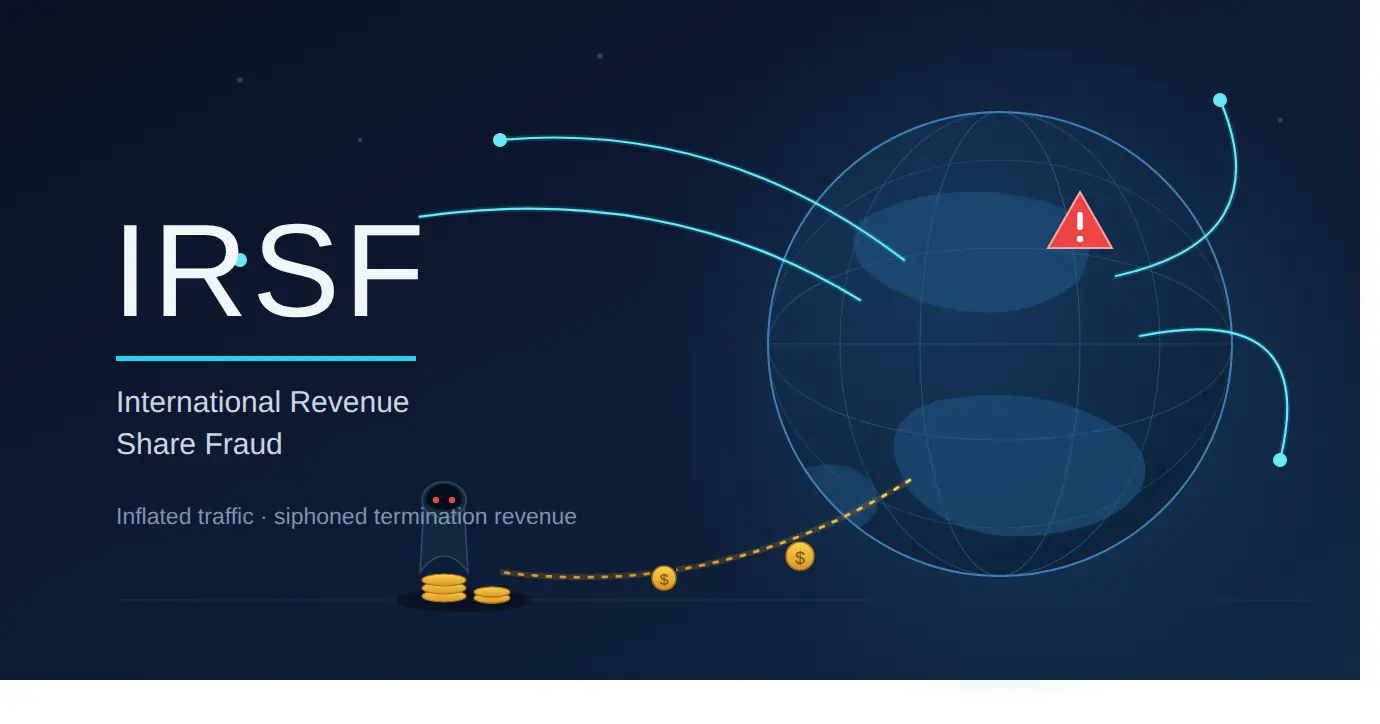
Yes — legitimate IPRN is legal. International Premium Rate Numbers are a long-established part of the wholesale telecom industry, used every day by lawful businesses. What is not legal is IRSF — International Revenue Share Fraud — the abuse of the same payout model using fake or non-consensual traffic. The number and the revenue share are identical in both cases; the only thing that differs is where the calls come from.
That single distinction — the source and consent of the traffic — is what separates a compliant IPRN business from fraud. This guide explains both sides clearly, why the confusion exists, and how to stay firmly on the right side of the line.
What makes IPRN legitimate
A legitimate IPRN operation earns revenue from real people choosing to call a real service. Someone dials a premium rate number because they want what's on the other end — a chat line, an information service, a competition, a help desk — and they're charged a premium rate they were made aware of. The revenue share that flows back to the service provider is simply payment for a service that was genuinely delivered and genuinely wanted.
Three things define legitimacy:
- Real traffic — actual humans placing real calls of their own accord.
- Informed consent — callers know they're dialling a premium number and what it costs.
- A genuine service — there's real value delivered during the call, not an empty line designed only to rack up minutes.
When those three hold, IPRN is no more controversial than any other paid phone service.
What IRSF is
International Revenue Share Fraud (IRSF) is what happens when someone games that payout model by manufacturing traffic that no real customer chose to make. The fraudster controls (or has access to) a premium range, then artificially pumps calls toward it to harvest the revenue share — sticking someone else with the bill.
Common IRSF patterns the industry watches for:
- Wangiri ("one ring and cut") — automated missed calls from premium numbers, baiting victims into calling back and unknowingly racking up premium charges.
- PBX / SIP hacking — compromising a business phone system and using it to dial premium ranges, often overnight or over a weekend, before anyone notices.
- Traffic pumping / inflation — artificially inflating call volume or duration to a range using bots, SIM farms, or compromised devices.
- Deceptive prompts — tricking people into calling a premium number under false pretences.
In every case the tell is the same: the calls weren't placed by a real customer who wanted the service. That's fraud, and it's illegal in essentially every jurisdiction — the victims are the people and businesses whose lines or bills were abused.
The dividing line
It's worth being blunt about this, because it's the heart of the matter. The number is neutral. The payout model is neutral. A premium rate number is just a number that happens to carry a revenue share — exactly like a vending machine is just a box that happens to hold money. Using it to sell a drink is commerce; breaking it open is theft. The hardware is identical; the conduct is what's judged.
So the legitimacy question is never "is this number a premium number?" It's "did a real person choose to make this call?" Keep your answer to that question a confident yes, and you're running a lawful business.
Why the confusion exists
The IPRN category carries a reputation problem for two reasons. First, IRSF is a large and well-documented form of telecom fraud, so the acronym soup (IPRN, IRSF, premium rate) gets blurred together in people's minds. Second, some operators in the space have historically been careless or worse about where their traffic comes from, which tars the legitimate majority.
Anti-fraud organisations and carriers naturally study IPRN through the lens of the fraud that abuses it — which is sensible from a security standpoint, but it means the public conversation often skips past the fact that the legitimate use is both common and lawful. For a business evaluating IPRN, the takeaway isn't "avoid IPRN"; it's "make sure your traffic is clean and your provider takes fraud seriously."
How regulators and carriers see it
Premium rate services are regulated, and the rules vary by destination — covering things like price disclosure, consumer protection, how services may be advertised, and what content is permitted. Carriers, for their part, run their own anti-fraud monitoring and will block or claw back traffic that looks fraudulent. Internationally, the ITU maintains the formal premium-rate framework (the International Premium Rate Service and its numbering).
None of this makes IPRN illegal. It makes it regulated — which is normal for anything involving money and consumers. A compliant operator treats those rules as the cost of doing business, not an obstacle.
How to run a compliant IPRN business
Staying clean is mostly a matter of discipline and good partners:
- Know your traffic source. Be able to explain, honestly, where every call comes from. If you can't, that's a problem before a regulator ever asks.
- Never buy or generate artificial traffic. Bots, SIM farms, missed-call baiting, and "guaranteed minutes" schemes are IRSF in a suit. Walk away.
- Follow each destination's rules. Price disclosure, advertising standards, and content restrictions differ by country — respect them per market.
- Work with a provider that takes anti-fraud seriously. Your provider's monitoring is your first line of defence. One that ignores suspicious traffic is a liability, not a partner.
- Monitor your own routes. Sudden spikes, odd durations, or traffic from unexpected origins are worth investigating before a carrier flags them for you.
Red flags worth avoiding
If a provider or a "traffic partner" offers any of the following, treat it as a warning: guaranteed call volumes with no real audience behind them, pressure to skip any verification, vagueness about where traffic originates, or payouts that look too good to be tied to legitimate demand. Legitimate IPRN revenue tracks real callers — anything promising returns detached from genuine traffic is the fraud model wearing a friendly face.
Getting started the right way
Running IPRN legitimately is entirely achievable, and it starts with the right foundation: clean traffic, compliance per market, and a provider built around transparency. TrustCaller is designed for the compliant operator — premium rate numbers and services with transparent payouts and carrier-grade routing backed by anti-fraud monitoring. If you're still getting your bearings on the model itself, start with our explainer on what IPRN is and how it works.
Get your IPRN test numbers — instant activation
Create your account